What is preventive medicine? Preventive medicine is a medical approach focused on preventing disease before it starts, detecting it early, and reducing complications after diagnosis.
For healthcare practitioners and practice owners, preventive medicine is not just a clinical philosophy. It is a strategy that improves patient outcomes, reduces long term costs, and strengthens your practice’s value in the community.
If the past few years have reinforced anything, it is this: health and lifestyle are inseparable. Practices that prioritize prevention are better positioned to deliver proactive, patient centered care.
What Is Preventive Medicine?
Preventive medicine is a branch of medicine that aims to:
Reduce disease risk
Detect conditions early
Prevent complications and disability
Promote long term health
According to the Centers for Disease Control and Prevention, prevention falls into three levels:
Primary prevention
Secondary prevention
Tertiary prevention
Understanding these three levels helps healthcare providers design structured preventive care programs.
The Three Levels of Preventive Medicine
1. Primary Prevention: Stop Disease Before It Starts
Primary prevention focuses on reducing risk factors before illness develops.
Examples include:
Vaccinations
Smoking cessation
Healthy diet and physical activity counseling
Weight management
Workplace health initiatives
For example, heart disease and cancer remain leading causes of death in the United States. Many risk factors such as poor diet, tobacco use, and physical inactivity are modifiable.
Action step for practice owners:
Integrate lifestyle counseling into annual visits. Offer structured programs for:
Nutrition education
Smoking cessation
Preventive vaccination campaigns
Sleep and stress management workshops
Primary prevention strengthens your role as a long term health partner, not just a treatment provider.
2. Secondary Prevention: Early Detection Saves Lives
Secondary prevention involves screening and early detection before symptoms appear.
Common screening examples:
Blood pressure checks
Lipid panels
Blood glucose testing
Cancer screenings
BMI monitoring
Early detection reduces disease progression and lowers treatment costs. For example, identifying prediabetes allows intervention before full diabetes develops.
Best practice for clinics:
Use EHR reminders for age appropriate screenings
Create annual preventive care packages
Track screening compliance rates
This improves patient retention and quality metrics.
3. Tertiary Prevention: Manage and Minimize Complications
Tertiary prevention focuses on patients already diagnosed with disease.
The goal is to:
Prevent complications
Reduce hospitalizations
Improve quality of life
Slow disease progression
Examples include:
Hypertension management
Diabetes care programs
Cardiac rehabilitation
Post injury rehabilitation
Medication adherence monitoring
Practice growth opportunity:
Chronic disease management programs can become core service lines. Structured follow ups and patient education increase outcomes and recurring visits.
Core Preventive Habits to Encourage in Patients
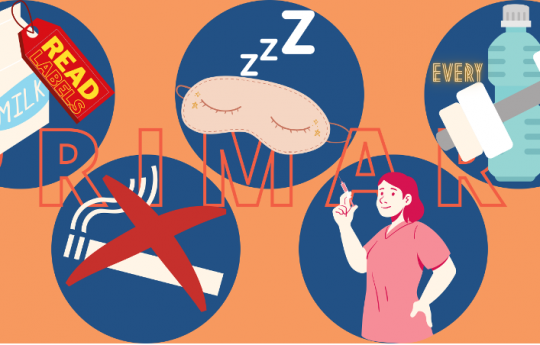
Healthy Nutrition
Encourage patients to:
Read nutrition labels
Understand macronutrients and micronutrients
Maintain calorie balance
Limit processed foods
Increase fiber, lean proteins, and whole foods
Providing handouts or digital guides improves compliance. Consider offering nutritional counseling partnerships.
Sleep and Physical Activity
Advise patients to:
Sleep 7 to 9 hours nightly
Maintain consistent sleep schedules
Combine cardio and strength training
Reduce prolonged sitting
Clinics can host wellness seminars or collaborate with local fitness professionals.
Smoking Cessation
Smoking increases the risk of:
Lung cancer
Cardiovascular disease
Chronic obstructive pulmonary disease
Effective strategies include:
Structured quitting plans
Trigger identification
Accountability support
Pharmacologic support when indicated
Offering cessation programs positions your practice as prevention focused.
Vaccination and Immunization
Vaccination remains one of the most powerful primary prevention tools.
Encourage:
Age appropriate immunization updates
Seasonal vaccines
Risk based immunization schedules
Proactive vaccine reminders improve compliance and protect community health.
Key Screening Metrics Every Practice Should Monitor

To support secondary prevention, track:
Body Mass Index
Obesity increases risk for:
Hypertension
Diabetes
Heart disease
BMI monitoring allows early intervention.
Blood Pressure
Normal blood pressure is below 120 over 80 mmHg.
Hypertension remains highly prevalent and contributes to kidney and heart disease.
Routine BP checks are simple but impactful.
Blood Glucose
Monitoring fasting glucose and HbA1c levels helps identify:
Prediabetes
Type 2 diabetes
Metabolic syndrome
Early intervention reduces long term complications.
Cholesterol Levels
Key markers include:
HDL, known as good cholesterol
LDL, associated with plaque buildup
VLDL
Routine lipid panels guide cardiovascular risk management.
Why Preventive Medicine Matters for Practice Owners

Preventive medicine is not just good care. It is good business.
Benefits include:
Higher patient retention
Improved quality metrics
Better payer relationships
Reduced malpractice risk
Stronger community trust
Patients increasingly seek providers who focus on wellness, not just prescriptions.
If you are building or scaling your clinic, consider strengthening your preventive services. This aligns well with broader topics like population health management and healthcare practice management strategies.
How to Implement Preventive Medicine in Your Practice
Here is a practical roadmap:
Standardize preventive screening protocols
Train staff on lifestyle counseling
Use EHR alerts for preventive services
Develop patient education materials
Track prevention related KPIs
Offer bundled preventive packages
Start small. Measure results. Expand gradually.
Preventive medicine is a long term commitment, but the impact compounds over time.
Final Thoughts: Why Preventive Medicine Should Be a Core Strategy in Your Practice
So, what is preventive medicine?
It is a proactive, structured, and evidence based approach to protecting patient health at every stage of care. Instead of waiting for disease to progress, preventive medicine empowers healthcare providers to reduce risk, detect conditions early, and minimize complications.
For healthcare practitioners and practice owners, this approach does more than improve clinical outcomes. It strengthens patient trust, enhances quality metrics, and supports long term, sustainable growth. Prevention driven practices are better positioned for value based care models and population health initiatives.
You only have one opportunity to influence a patient’s long term health trajectory. By embedding preventive medicine into your workflows, screenings, and patient education strategies, you create that impact before disease takes control.
In today’s healthcare environment, prevention is not optional. It is a competitive advantage and a professional responsibility.